
Middlesex County Active Bench Warrants
Middlesex County bench warrants are handled through the Middlesex Vicinage of the New Jersey Superior Court in New Brunswick. The county is one of the largest in the state by population. Courts here issue bench warrants for missed dates, unpaid fines, and other forms of noncompliance. You can search for bench warrants through online tools, by calling the court clerk, or by contacting the Middlesex County Sheriff. This guide covers how bench warrants work in Middlesex County and what to do if you need to find or resolve one.
What Triggers Bench Warrants in Middlesex County
Bench warrants in Middlesex County come from a judge's order. The judge issues the warrant from the bench when a person does not meet a court requirement. The most frequent cause is a missed court date. When someone fails to appear for a scheduled hearing at the Middlesex County Courthouse in New Brunswick, the judge can sign a bench warrant that same day.
Other reasons for bench warrants in Middlesex County include failing to pay court-ordered fines, not finishing community service hours, and breaking the terms of probation. Each of these situations gives the judge grounds to issue a warrant. The court keeps a record of every bench warrant. Staff enter it into local and state databases so that police throughout New Jersey can access it. Middlesex County also enters warrants into nationwide systems, which means they show up across state lines during law enforcement checks.
Under Court Rule 7:8-9, a judge has broad power to issue a bench warrant for failure to appear. This rule applies in both municipal and Superior Court cases in Middlesex County. The warrant authorizes any law enforcement officer to arrest the person and bring them to court.
Note: Bench warrants in Middlesex County are entered into local, state, and nationwide databases, making them visible to officers anywhere in the country.
Searching Middlesex County Bench Warrants
You can search for bench warrants in Middlesex County through several channels. The fastest option is the online court system. The New Jersey public case search lets you look up case records by name or docket number. It covers all counties. Basic case information is free. You may find bench warrant notations in the case history for Middlesex County cases.
For direct help, call the Middlesex County court offices. The local judiciary can be reached at (732) 745-5089. For specific questions about arrest warrants and bench warrants, call (732) 247-0922 ext. 425. The Clerk of Court is available at (732) 645-4300. Staff can look up cases and confirm whether a bench warrant is active in the system for Middlesex County.
You can also contact the Middlesex County Sheriff at (732) 745-3366. The sheriff handles warrant service and enforcement. They may confirm if a bench warrant exists for a named person. Keep in mind that some details are restricted. For full case records, you may need to visit the Middlesex County Courthouse at 56 Paterson Street in New Brunswick or file a formal records request.
Middlesex County Sheriff Warrant Enforcement
The Middlesex County Sheriff is the primary agency that enforces bench warrants. Officers carry out warrant sweeps, serve papers, and arrest people with active bench warrants. The Sheriff's Office is located in New Brunswick and covers the entire county.
Below is an image of the Middlesex Vicinage Courts resources related to bench warrants in the county.
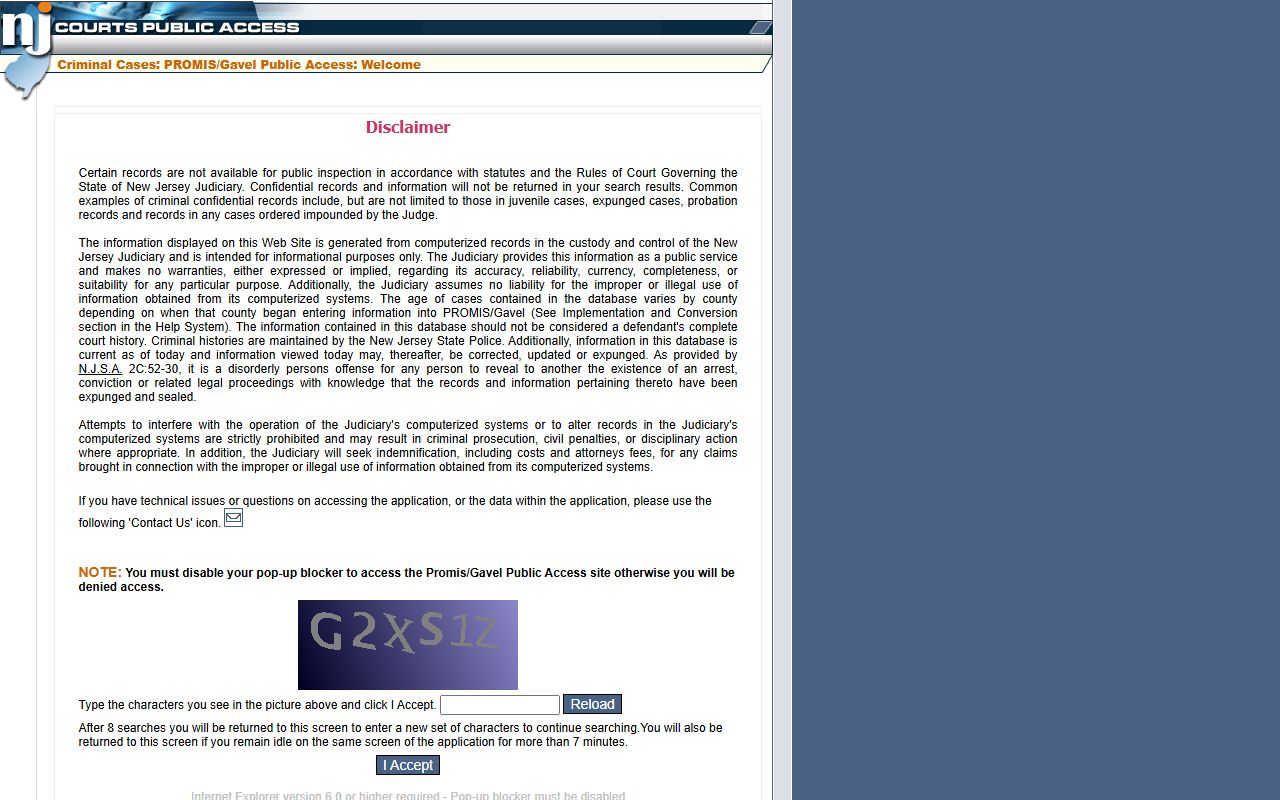
Bench warrant enforcement in Middlesex County takes several forms. The sheriff conducts scheduled sweeps where officers go to known addresses to find people with active warrants. Police can also make arrests during routine stops or court appearances for other matters. Probation officers check for bench warrants during regular check-ins. Any contact with law enforcement in Middlesex County can lead to an arrest if a bench warrant is active.
The Middlesex County Jail can be reached at (732) 951-3360 or (732) 297-3636. A third line is available at (732) 951-3320. If someone is arrested on a bench warrant, they are typically held at the jail until they can see a judge. In many cases, a judge will review the matter within 48 hours. For minor bench warrants, the person may be released with a new court date in Middlesex County.
Consequences of Bench Warrants in Middlesex County
An active bench warrant in Middlesex County creates real problems. The most obvious risk is arrest. Police can take you into custody at any point. This can happen at a traffic stop, at work, or at home. There is no warning. The warrant stays active until the court removes it.
Bench warrants also appear in background checks. This can affect many parts of your life in Middlesex County. The warrant shows up when you interact with any law enforcement agency. It may also show up in court record searches that others run. The longer the warrant stays open, the worse it looks when you do face the judge. Middlesex County judges take note of how long a person has avoided the court.
Under N.J.S.A. 2A:162-16, the court must consider the least restrictive conditions when deciding what to do with someone brought in on a bench warrant. For low-level cases, this often means release with conditions. For more serious matters, the judge may set bail or hold the person. Middlesex County follows this state law when processing bench warrant arrests.
How to Resolve a Middlesex County Bench Warrant
If you have a bench warrant in Middlesex County, act fast. Waiting only makes things worse. There are clear steps you can take to deal with the situation before police find you.
The best first step is to call a lawyer. A criminal defense attorney who works in Middlesex County knows the local judges and court procedures. They can file a motion to recall the bench warrant. This asks the judge to cancel the warrant and set a new court date. In many cases, the judge will grant the motion, and you can appear in court without being arrested. Your lawyer handles the paperwork and may even appear in court for you on the motion in Middlesex County.
You can also turn yourself in at the Middlesex County Courthouse. Go to 56 Paterson Street in New Brunswick. Tell the clerk you are there to address a bench warrant. The court will process you and bring you before a judge. In most cases involving minor charges, the judge will set a new date and release you. Judges in Middlesex County tend to view voluntary surrender favorably.
Here are key steps to take:
- Hire a lawyer who handles bench warrant cases in Middlesex County
- Gather any documents that explain why you missed court
- Contact the Clerk of Court at (732) 645-4300 for case details
- Be prepared to address the original charge as well
- Bring valid identification when you go to court
Municipal Court Bench Warrants in Middlesex County
Middlesex County has 25 municipalities. Each one operates its own municipal court. These courts handle traffic violations, disorderly persons offenses, and local ordinance matters. Every one of these courts can issue bench warrants when someone fails to appear or does not pay a fine.
Municipal court bench warrants in Middlesex County go into the same databases as Superior Court warrants. There is no difference in how police see them. A bench warrant from the Edison Municipal Court is just as visible as one from the Superior Court in New Brunswick. Officers across the state and the country can see it.
To resolve a municipal court bench warrant, contact the specific court that issued it. Each town in Middlesex County has its own clerk. They can tell you what fines are due and whether you need to appear before the judge. For some matters, paying the fine clears the case and the bench warrant. For others, you must see the judge in person at the municipal court in Middlesex County.
Note: Each of the 25 municipal courts in Middlesex County manages its own bench warrants separately from the Superior Court.
Statewide Bench Warrant Policy
The New Jersey Attorney General has addressed the problem of outstanding bench warrants across the state. Thousands of warrants remain active for minor offenses. The policy aims to reduce the negative effects these warrants have on people's lives while keeping them accountable to the courts. Middlesex County follows this guidance when dealing with old bench warrants for low-level matters.
This policy matters for people in Middlesex County who have old bench warrants from years ago. The courts may be more willing to work with you on resolving these cases. Contact the court clerk or a lawyer to find out how this policy applies to your situation in Middlesex County.
Middlesex County Warrant Records Access
Public records laws in New Jersey give you the right to request warrant information. The Government Records Council oversees the Open Public Records Act. You can file an OPRA request with the Middlesex County courts, the sheriff, or local police departments to ask for bench warrant records.
The New Jersey Courts website provides links to online search tools and court contact information. The Middlesex Vicinage page has specific contact details for the local court. You can also reach the County Clerk at the East Wing Court House, PO Box 1110, New Brunswick, NJ 08903-1110. The electronic access page explains how to search court records online for Middlesex County cases. The New Jersey State Police maintain criminal history records that may include bench warrant information.
Cities in Middlesex County
Middlesex County includes many towns and cities where bench warrants are issued through local municipal courts. Superior Court bench warrants for the whole county are handled at the courthouse in New Brunswick.
Other municipalities in Middlesex County include South Brunswick, East Brunswick, North Brunswick, Sayreville, South Plainfield, Monroe, and Carteret. All of these towns have municipal courts that can issue bench warrants.
Nearby Counties
These counties share a border with Middlesex County. Bench warrants issued here are valid throughout New Jersey and across the country. Make sure you check with the right county court for your case.