
New Jersey Bench Warrants
New Jersey bench warrants are court orders that direct law enforcement to bring a person before a judge. These warrants are most often issued when someone fails to appear for a court date or does not pay a fine. The New Jersey Judiciary handles bench warrant cases through Superior Courts and municipal courts in all 21 counties. You can search for active bench warrants in New Jersey through county sheriff offices, the PROMIS/Gavel public access system, or by contacting the court that issued the warrant. This guide covers how to look up bench warrants, what they mean, and how to resolve them across New Jersey.
New Jersey Bench Warrants Quick Facts
What Are New Jersey Bench Warrants
A bench warrant is a court order. It comes from the judge's bench. Unlike arrest warrants based on probable cause for new crimes, bench warrants arise from existing cases before the court. A judge issues one when a person does not follow a court order. The most common reason is failing to show up for a scheduled court date. Courts also issue bench warrants when someone does not pay fines or breaks the terms of probation in New Jersey.
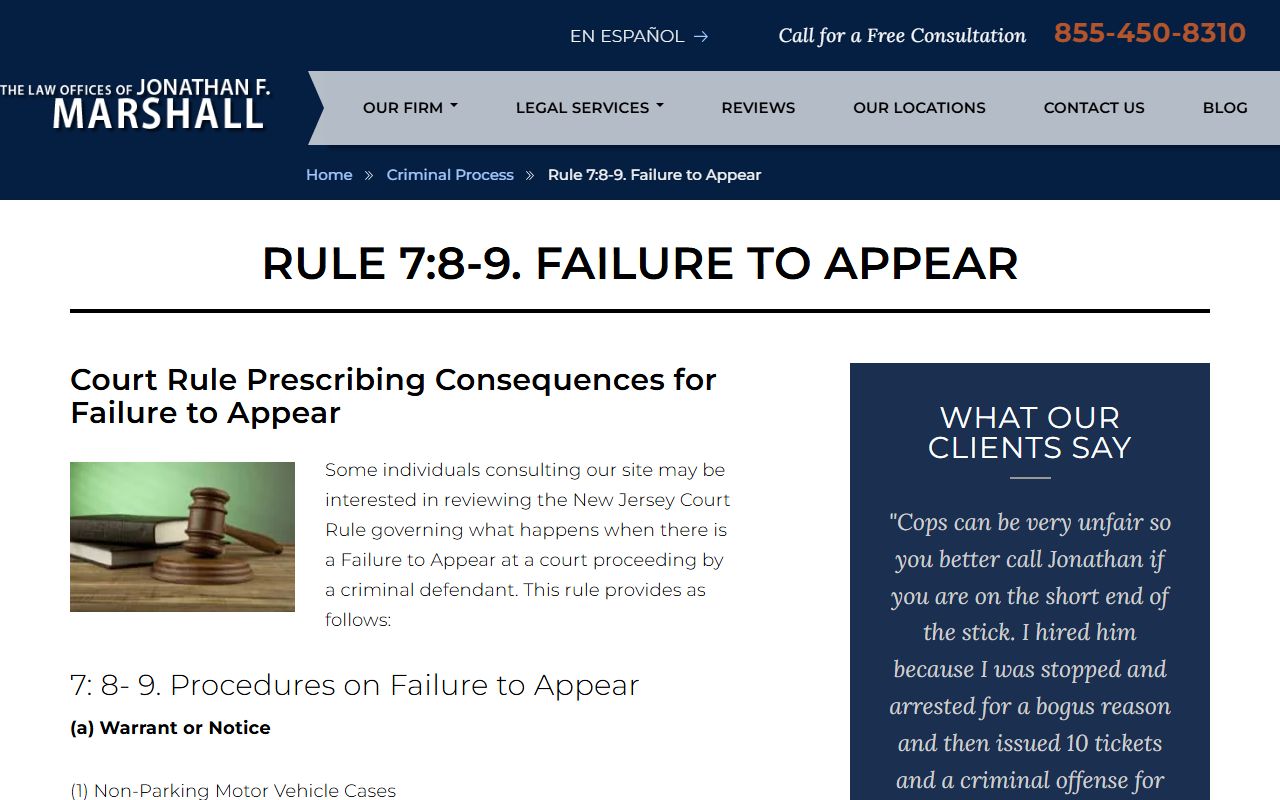
Under New Jersey Court Rule 7:8-9, municipal courts follow a set process for failures to appear. In non-parking cases, the court may issue a warrant for arrest or mail a failure to appear notice first. If the notice goes ignored, the court then issues a bench warrant. For parking cases, a bench warrant can only issue if the person has two or more pending tickets in that court. Unexecuted bench warrants remain open and active until the court recalls, withdraws, or discharges them. There is no automatic end date for bench warrants in New Jersey.
Note: Courts must report failures to appear to the Division of Motor Vehicles within 30 days unless a bench warrant is issued in New Jersey.
Search New Jersey Bench Warrants Online
New Jersey provides several ways to check for active bench warrants. The PROMIS/Gavel Public Access system lets you search criminal cases by defendant name or county. You can look up criminal judgments by name, SBI number, complaint number, or indictment number. The system is free to use and available at any time. Case status results may show if a bench warrant is active. Criminal judgments date back to June 30, 2017 in this database. For older records, you need to contact the court.
The NJ Judiciary Electronic Access Portal gives another way to search court records online. This system charges $4 per minute. It covers Superior Court Civil Judgments from 1980 and Criminal Judgments from June 2017. Municipal Court Dispositions go back to 2005. You need to register and sign a subscription agreement before using this paid portal.
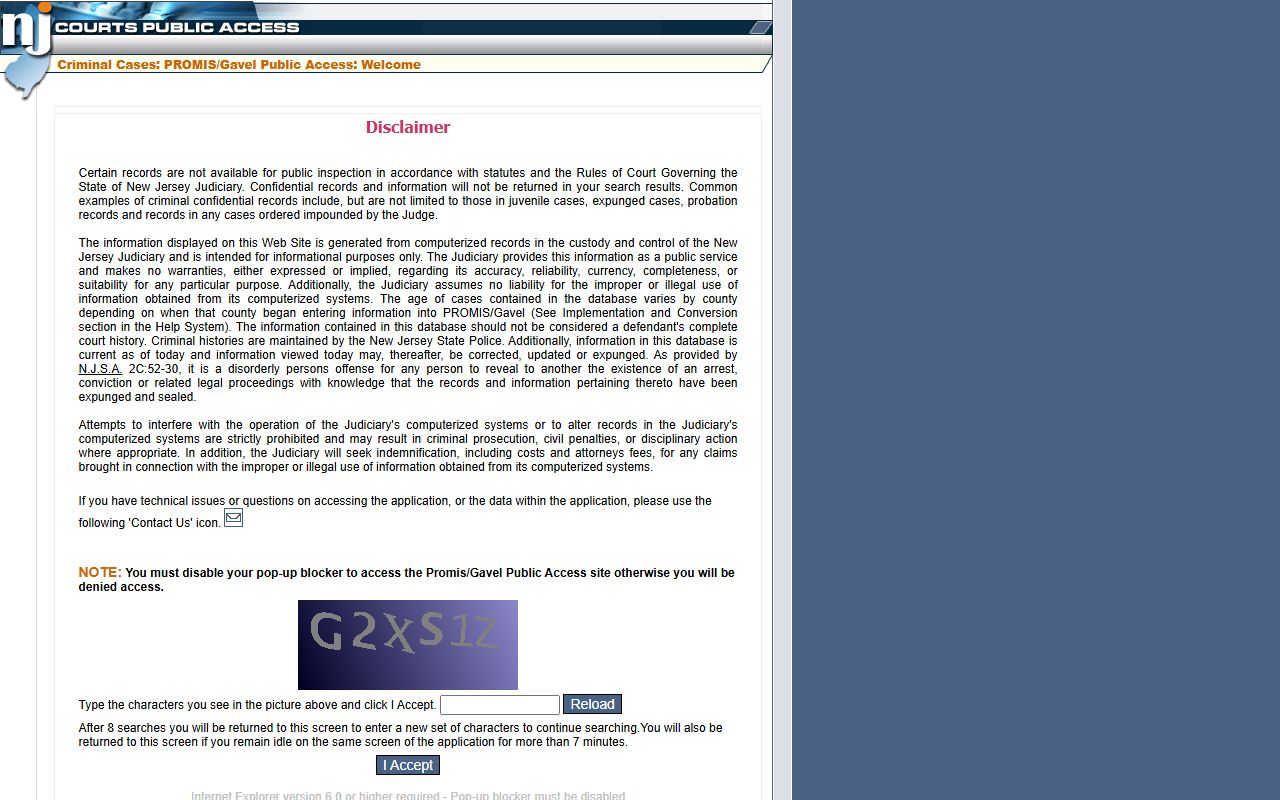
You can also check for bench warrants through these steps:
- Call the county sheriff office warrant division
- Visit the Superior Court Criminal Division in person
- Contact the municipal court where the case was filed
- Submit an OPRA request for warrant records
- Use the NJ Courts eCourts system for case information
Each county sheriff handles warrant records for its area. Some counties like Bergen and Camden maintain warrant units that can confirm if a bench warrant exists. Bring a valid photo ID for in-person searches. Be aware that appearing in person with an active bench warrant could lead to arrest on the spot in New Jersey.
New Jersey Bench Warrant Policy Changes
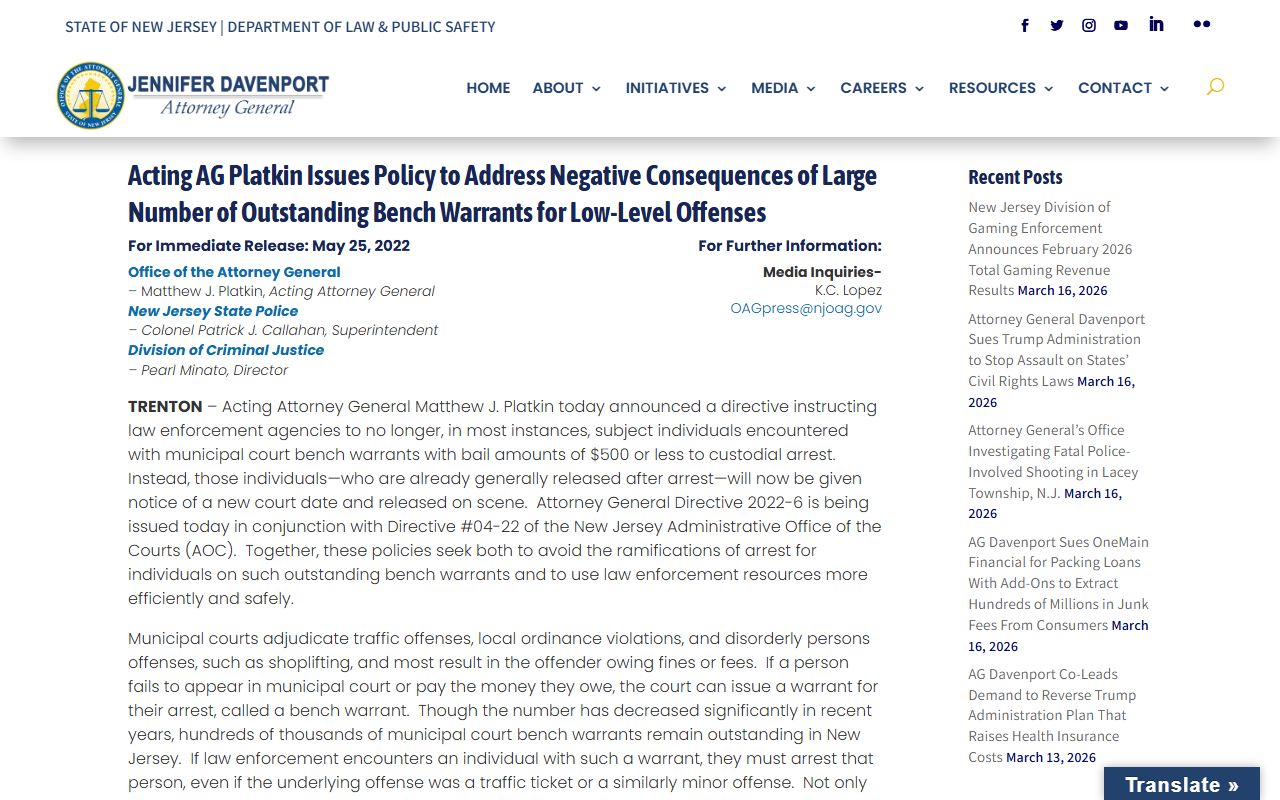
In 2022, Acting Attorney General Matthew Platkin issued Directive 2022-6 to address hundreds of thousands of outstanding bench warrants for low-level offenses across New Jersey. This policy changed how police handle minor bench warrants during street encounters.
Under Directive 2022-6, law enforcement cannot make a custodial arrest for bench warrants with bail set at $500 or less. Officers must release the person with a new court date instead. They cannot conduct searches or apply handcuffs for these low-level bench warrants unless a specific safety risk exists. The officer gives the person a bail recognizance form with a new date to appear. This policy aims to cut down on needless jail time for minor bench warrants while still making sure people show up in court across New Jersey.
The directive does not apply to bench warrants tied to domestic violence, serious criminal charges, or cases where public safety is at risk. Bench warrants with bail above $500 are handled under normal procedures in New Jersey.
Bench Warrant Records and Public Access
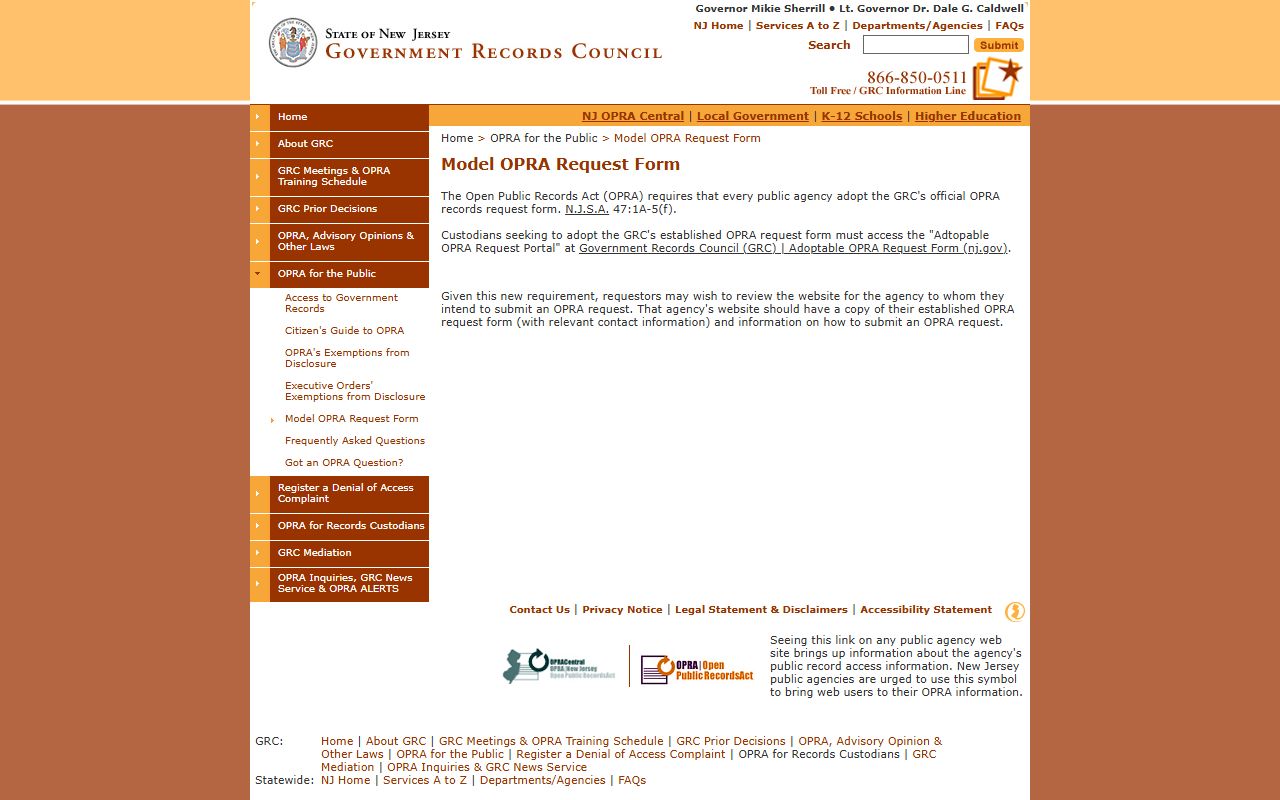
New Jersey's Open Public Records Act governs access to government records including court documents. Under OPRA, most government records are open to the public. You can submit a records request to the custodian of records at any public agency. The OPRA request form is available online. Agencies must respond within 7 business days. Standard copy fees are $0.05 per letter-size page and $0.07 per legal-size page. Electronic records are free in New Jersey.
Active bench warrants have some limits on public access. Warrants tied to ongoing investigations may not be disclosed. Sealed warrants are not public. Certain records are exempt under Court Rule 1:38, which restricts public disclosure of items like juvenile records, grand jury proceedings, and search warrant affidavits. Once a bench warrant has been executed and the related case concludes, the warrant and supporting documents often become accessible through the court. The Government Records Council at 866-850-0511 can help if your OPRA request is denied in New Jersey.
How Bench Warrants Work in New Jersey Courts
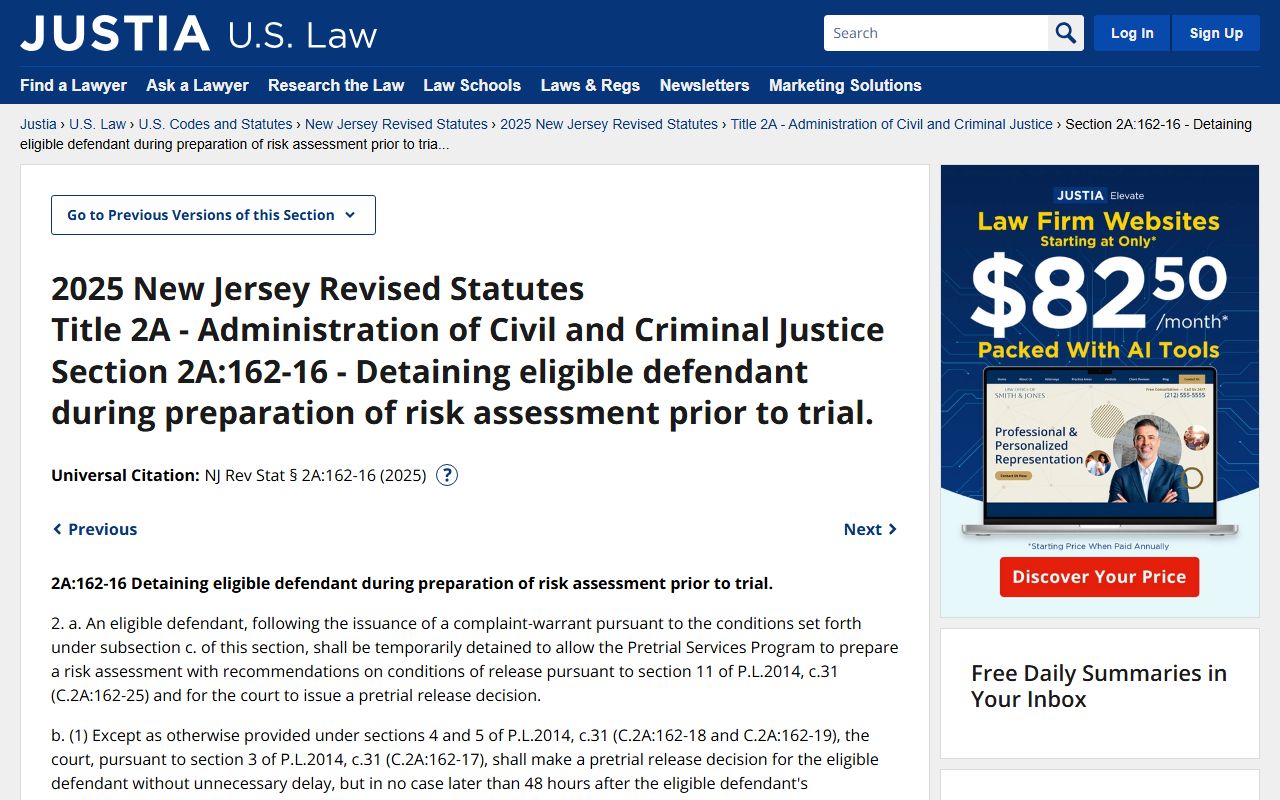
The bench warrant process starts when a court issues the order. Under N.J.S.A. 2A:162-16, when someone is arrested on a warrant, the Pretrial Services Program prepares a risk assessment. The court must then make a release decision within 48 hours. Options include release on own recognizance, release on conditions, monetary bail, or detention pending a hearing. This applies to bench warrants that result in arrest across New Jersey.
Superior Court judges can issue all types of bench warrants. Municipal court judges issue bench warrants for matters in their jurisdiction, such as disorderly persons offenses and traffic violations. Both courts enter warrants into statewide databases that all law enforcement can access. Bench warrants in New Jersey are also entered into the National Crime Information Center by county sheriff offices, which means they are visible to police in every state.
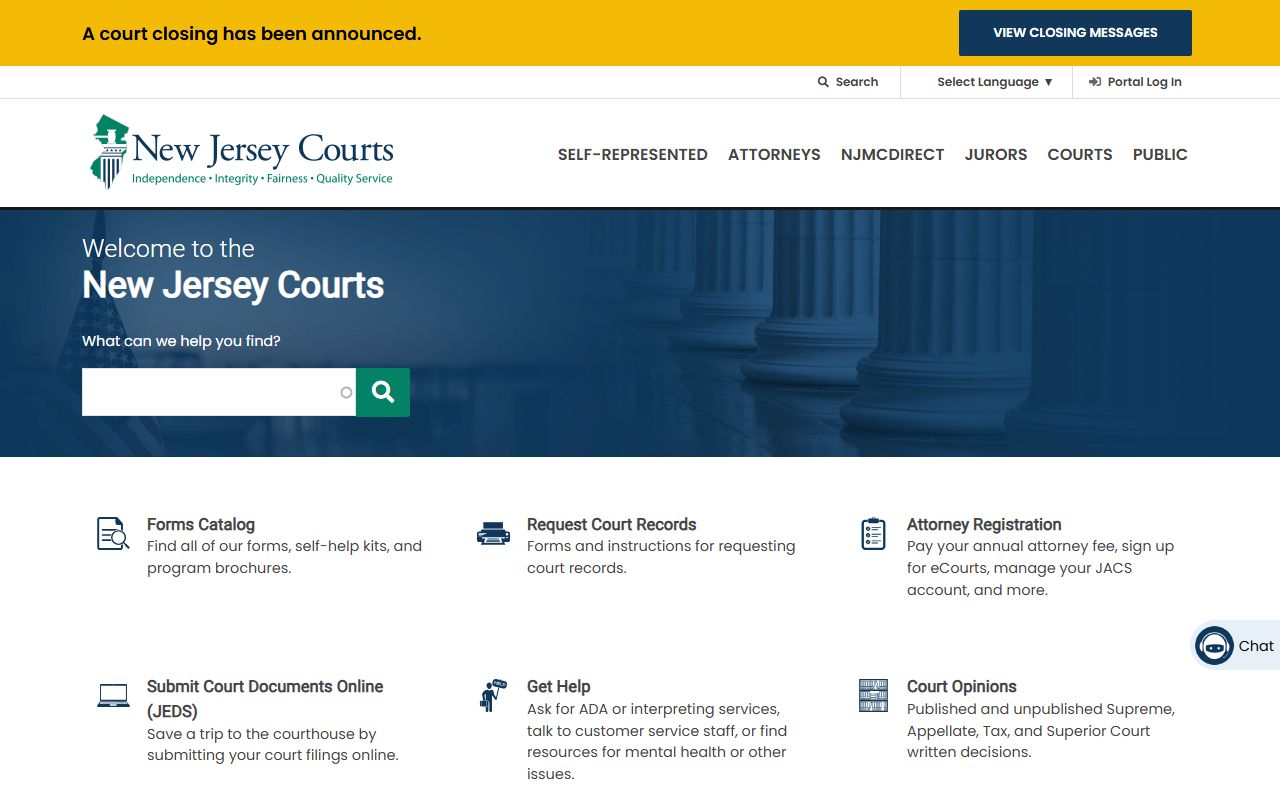
Resolving a bench warrant usually means appearing before the judge who issued it. You can contact the court clerk to schedule a new date. An attorney can file a motion to recall or quash the warrant on your behalf. Voluntary surrender often leads to better outcomes than being arrested on a bench warrant. The NJ Courts self-help center has forms and guides for people dealing with bench warrants on their own in New Jersey.
Note: Taking action early on a bench warrant shows the court you are willing to cooperate, which can affect the outcome of your case in New Jersey.
New Jersey Criminal History and Warrant Databases
The New Jersey State Police maintains the central repository for criminal history records. These records include arrest data, bench warrant information, and case dispositions. Name-based criminal history checks cost $20 per request. Fingerprint-based checks cost $45.73 and give more thorough results. The Criminal Information Unit is at P.O. Box 7068, West Trenton, NJ 08628, phone (609) 882-2000.
The Administrative Office of the Courts oversees the computer systems that track bench warrants and case status across all vicinages in New Jersey. This office maintains standardized forms for warrant procedures and coordinates with law enforcement on database access. The AOC publishes yearly statistics on warrant issuance and execution that inform policy decisions throughout New Jersey.

Types of Warrants in New Jersey
New Jersey courts issue several types of warrants. Bench warrants are the most common. They target people who skip court dates or ignore fines. Arrest warrants require probable cause that a crime was committed. Search warrants let police search a specific place for specific items and must be carried out within 10 days under NJ Court Rule 3:5-5.
Other warrant types in New Jersey include complaint warrants, which are issued at the start of criminal cases when a risk assessment shows the defendant may flee or reoffend. Domestic relations warrants target people who fail to pay child support. Under N.J.S.A. 2A:10-8, courts can issue contempt warrants for any person subject to punishment for contempt. These warrants can be served in any county in New Jersey. Civil arrest warrants include details about when and where they can be executed.
Note: Bench warrants differ from arrest warrants because they stem from a court case already in progress, not from new criminal charges in New Jersey.
New Jersey Court Records Access
The NJ Judiciary provides multiple ways to access court records tied to bench warrants. The Electronic Access Program covers millions of records across all divisions. The Criminal Division handles all indictable offenses and maintains records of bench warrants issued at the Superior Court level.
Each county also has a Deputy Clerk of the Superior Court who handles records requests in person. You can visit the courthouse during business hours, typically Monday through Friday from 8:30 AM to 4:30 PM. Bring valid photo ID. The clerk can search by name or case number and provide copies for a fee. For bench warrants issued by municipal courts, contact that specific court for records. The OPRA request form works for requesting records from any public agency in New Jersey.
Browse New Jersey Bench Warrants by County
Each county in New Jersey has its own Superior Court and sheriff office that handle bench warrants. Pick a county below to find local warrant search resources and contact information.
Bench Warrants in Major New Jersey Cities
Residents of major cities deal with bench warrants through their local municipal court and county Superior Court. Pick a city below to learn about bench warrant searches in that area.