
Middletown Bench Warrants
Middletown Township bench warrants are issued through the Middletown Municipal Court and the Monmouth County Superior Court. The township has the largest municipal police force in Monmouth County. A bench warrant in Middletown means a judge has ordered that a person be brought to court. These warrants are most often tied to missed court dates. Residents can search for bench warrants through several local and state tools. This page explains how bench warrants work in Middletown and what steps to take if one has been issued.
Middletown Quick Facts
How Middletown Bench Warrants Are Issued
A bench warrant in Middletown starts with a judge. The judge sits on the bench. That is where the name comes from. When a person does not show up for a court date, the judge can issue a bench warrant right then. The warrant tells police to find that person and bring them to court. It is not a request. It is an order. In Middletown, most bench warrants come from the municipal court. Traffic cases, local code violations, and disorderly persons offenses all go through this court.
Some bench warrants in Middletown are tied to Monmouth County Superior Court cases. These tend to be more serious. Indictable crimes are handled at the county level. If a person fails to appear for a grand jury hearing or a trial date, the Superior Court judge can issue a bench warrant. The Monmouth County Sheriff then takes the lead on enforcement. Under N.J.S.A. 2A:162-16, a person may be detained on that warrant anywhere in New Jersey.
Note: Bench warrants in Middletown stay active until a judge recalls them or the person appears in court.
Middletown Police Bench Warrant Enforcement
The Middletown Police Department is the largest municipal force in Monmouth County. Officers check for open warrants during traffic stops, calls, and other contact with the public. If a person has a bench warrant in Middletown, any stop can lead to an arrest. The department works with the Monmouth County Sheriff to serve warrants across the area. Here is a look at the Middletown Police Department.
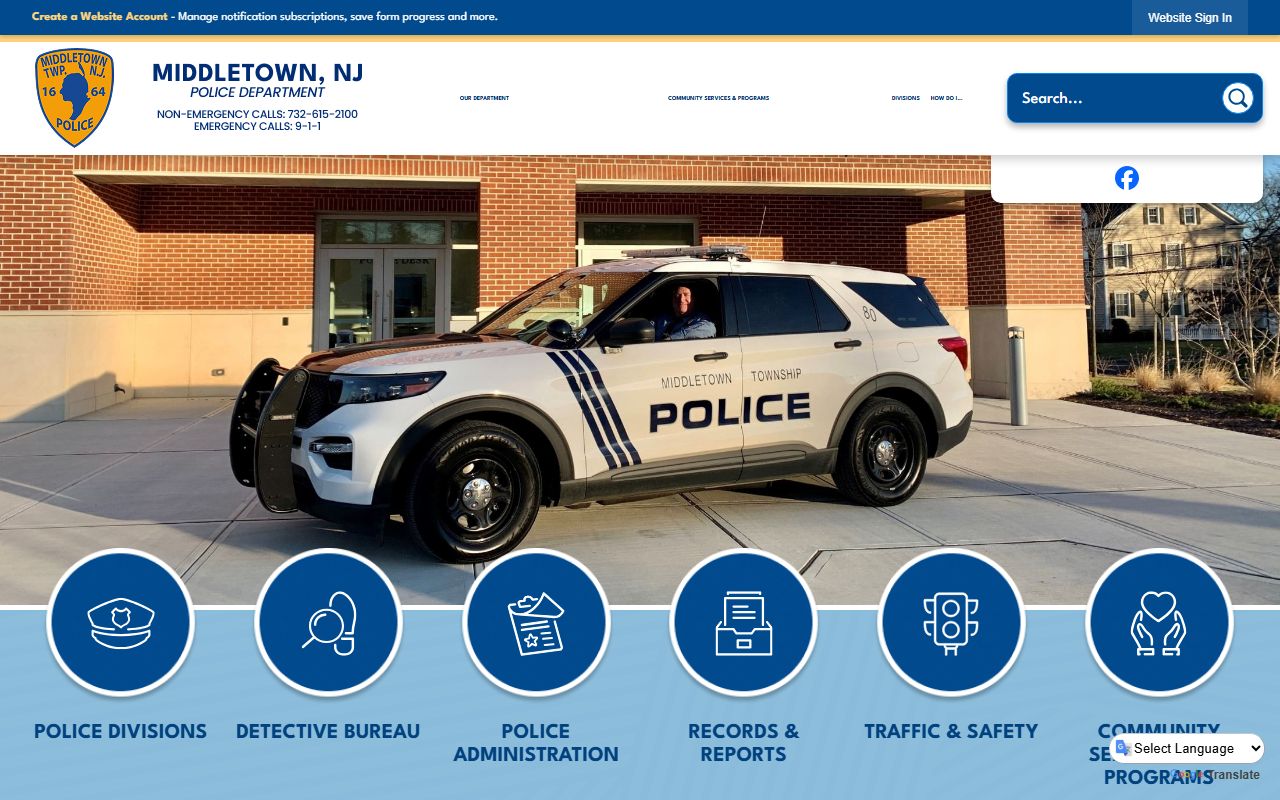
The Middletown Police main line is 732-615-2100. You can reach the Service and Records Bureau at 732-615-2060. Officers respond to bench warrants at all hours. The department also runs car seat safety checkpoints on the second and fourth Wednesday of each month. These events are not tied to warrant enforcement, but they show the level of regular contact that officers have with drivers in the township. Any such contact gives police a chance to run a name through the warrant system.
Searching Middletown Bench Warrants
You have several ways to check for bench warrants in Middletown. Each one gives you a different level of detail. Some are fast. Some take more time.
The PGPA portal run by the New Jersey Judiciary is a free online tool. It lets you search for active warrants by name and date of birth. This covers Middletown municipal court bench warrants. Results show the warrant type, case number, and court of origin. It is a good first step if you think there may be a bench warrant in your name in Middletown.
You can also call the Middletown Municipal Court at 732-615-2036. Court staff can tell you if a bench warrant has been issued in a case. They can also give you the next court date and tell you how to resolve the warrant. For county-level bench warrants tied to Middletown, you can reach the Monmouth County Sheriff. The sheriff maintains bench warrant records for the whole county and can confirm if a warrant is active.
- PGPA online search for statewide bench warrants
- Middletown Municipal Court clerk at 732-615-2036
- Monmouth County Sheriff for county-level warrants
- Middletown Police Service and Records Bureau at 732-615-2060
- In-person visit to the Middletown Municipal Court
Note: Court records may take one to two business days to update after a bench warrant is issued in Middletown.
Failure to Appear in Middletown
Missing a court date is the most common reason for a bench warrant in Middletown. It happens often. A person gets a traffic ticket or a summons. They set a court date. Life gets in the way. They do not show up. The judge then issues a bench warrant under Court Rule 7:8-9. This rule applies to all municipal courts in New Jersey, including Middletown.
The effects of a failure to appear bench warrant in Middletown are real and fast. Police can arrest you at any time. A routine stop on Route 35 or at a checkpoint could end with you in handcuffs. Your bail amount may go up. The judge may add a separate charge for the missed court date. The New Jersey Attorney General has put out guidelines on how courts should handle the high number of outstanding bench warrants for low-level offenses. This may help people in Middletown who have old bench warrants for small matters.
The best move is to act fast. Call the court. Get a new date. Do not wait for a knock on your door.
Resolving Middletown Bench Warrants
You can resolve a bench warrant in Middletown in several ways. The first option is to hire a lawyer. An attorney can call the court and ask the judge to recall the bench warrant. This often results in a new court date without the risk of arrest. Many lawyers in Monmouth County handle bench warrant cases on a regular basis.
You can also walk into the Middletown Municipal Court yourself. Bring your ID and any court papers you have. Tell the clerk you want to address a bench warrant. The judge may hear your case that day. Turning yourself in shows the court you take the matter seriously. Judges in Middletown tend to view this favorably. You may need to post bail, depending on the charge and your past record. For minor cases, the court may just set a new date and let you go.
For bench warrants tied to more serious charges in Middletown, the process is different. You may be held until a bail hearing. The Monmouth County jail will hold you if the court does not release you. It is important to talk to a lawyer before turning yourself in on a serious bench warrant. Know what you are facing first.
Middletown Warrant Public Records
Bench warrants in Middletown are public records. New Jersey law gives people the right to access government records through the Open Public Records Act. You can file an OPRA request with the Middletown Township Clerk at 732-615-2015 to get records related to bench warrants and court cases. The Government Records Council oversees OPRA compliance across the state.
You can also submit your request online through the state OPRA portal. The custodian of records must respond within seven business days. For bench warrant records from the municipal court, direct your request to the court administrator. For county-level records, contact the Monmouth County court clerk. The New Jersey Courts website has more information about accessing court records in Monmouth County and across the state.
Note: Not all bench warrant details are available online. Some records require a formal OPRA request or an in-person visit.
Middletown and Monmouth County Courts
Middletown is one of the largest townships in Monmouth County. The municipal court handles local matters. But all serious criminal cases go to the Monmouth County Superior Court in Freehold. Bench warrants from either court can affect Middletown residents. The county prosecutor handles indictable crimes, and the county sheriff serves warrants throughout the area. If you have a bench warrant from a Monmouth County court, it will show up in the statewide system. Any officer in New Jersey can enforce it.
The Monmouth County Sheriff handles warrant service for the county. You can contact them to check for active bench warrants tied to Middletown or any other town in the county. The sheriff also works with the Middletown Police on cases that cross municipal lines. For a full look at bench warrants across Monmouth County, visit the county page.
Monmouth County Bench Warrants
Middletown is part of Monmouth County. All Superior Court bench warrants for Middletown go through the Monmouth County court system. The county handles indictable crimes and appeals from the municipal court. For a full overview of bench warrants across Monmouth County, including other towns and cities, visit the county page.